Menu
Permit Guide for Commercial Tree Removal in Hoboken
Commercial Tree Removal Hoboken
Commercial property owners throughout Hoboken are subject to certain permit requirements for any commercial tree removal projects. The regulatory framework applies equally whether a business is located on bustling Washington Street or an industrial property in the northwest district of Hoboken; compliance with city ordinances protects valuable urban canopy assets that enhance Hoboken’s environmental and economic value.
Overview of the Regulating Guidelines for Commercial Tree Removal
The Hoboken Shade Tree Commission is responsible for regulating all aspects of tree removal within the City of Hoboken, including all commercial tree removal projects located on private property and public right-of-way. All commercial properties must receive a permit before the removal, pruning, or any other type of alteration of trees on their property, regardless of the type of property (i.e., residential/commercial) or zoning classification.
Permit Requirements for All Commercial Zones
Regardless of the commercial zone designation (C-1, C-2, C-3, C-4), commercial properties must adhere to the same permitting guidelines and requirements as if they were located in another commercial zone designation. Therefore, commercial properties in retail shopping centers, office buildings, industrial facilities, and mixed-use developments are all subject to the same commercial tree removal permitting guidelines throughout Hoboken.
Shade Tree Commission Permit Requirements
Before commencing any commercial tree removal project, a permit must be obtained from the Hoboken Shade Tree Commission, which meets monthly to evaluate each permit application received. Each permit application is evaluated based on the health of the tree(s), public safety issues, development needs, and the city’s urban canopy preservation goals that benefit the entire community.
To obtain a commercial tree removal permit from the Shade Tree Commission, commercial property owners/agents must submit an application that includes:
- A detailed explanation of why the trees must be removed;
- Professional evaluation reports of the trees (if necessary);
- Replacement plans that will ensure that the urban canopy of Hoboken is maintained or improved.
Additionally, the Shade Tree Commission reserves the right to approve, reject, or modify any commercial tree removal proposal received based on the commission’s established criteria and/or community interest.
Application Process and Required Documents
Commercial property owners/agents must submit a completed application package to the Shade Tree Commission at least two (2) weeks before the commission’s scheduled monthly meeting. Each application package must include:
- Property survey(s) indicating the location of all existing trees;
- Detailed removal plan(s); and
- Professional arborist report(s) for trees that have been determined to be unhealthy or hazardous.
Commercial applicants must also provide proof of ownership of the property or evidence of authorization to act on behalf of the property owner; commercial property insurance documents; and contractor licensure information.
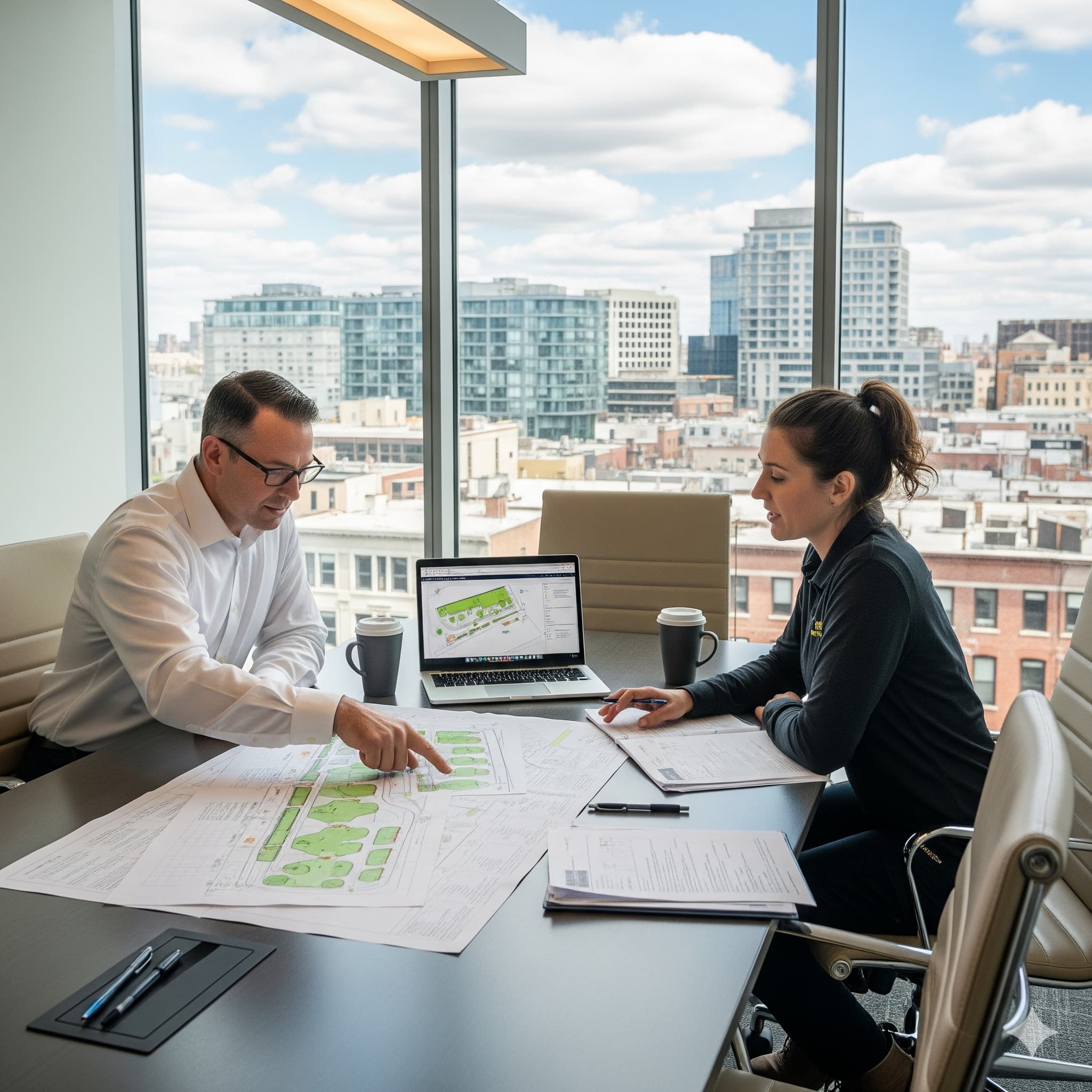
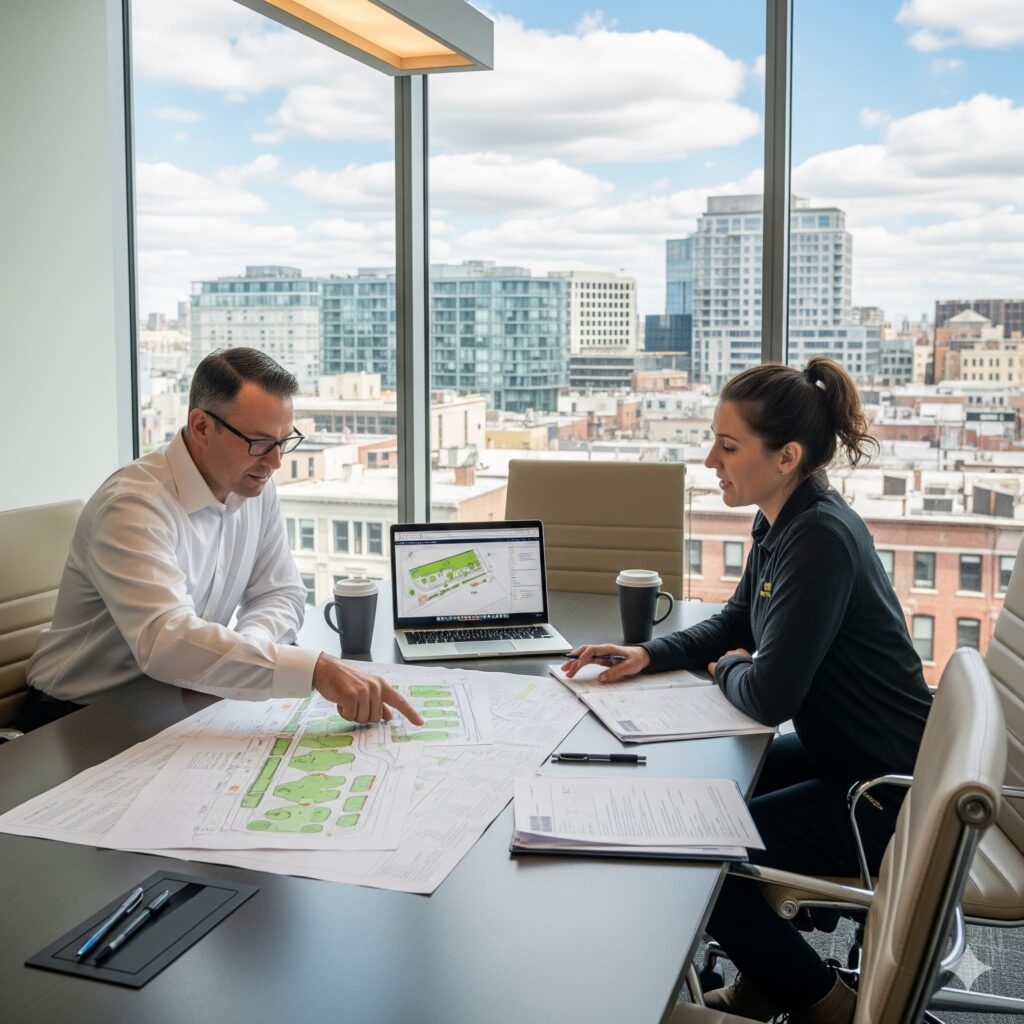
In addition to the above-mentioned items, the Shade Tree Commission requires that commercial applicants provide a detailed site plan illustrating the relationship between the area to be cleared for commercial purposes and the existing development, utilities, and adjacent properties in the area where the commercial activity is occurring.
Requirements for Professional Arborist Evaluation Reports
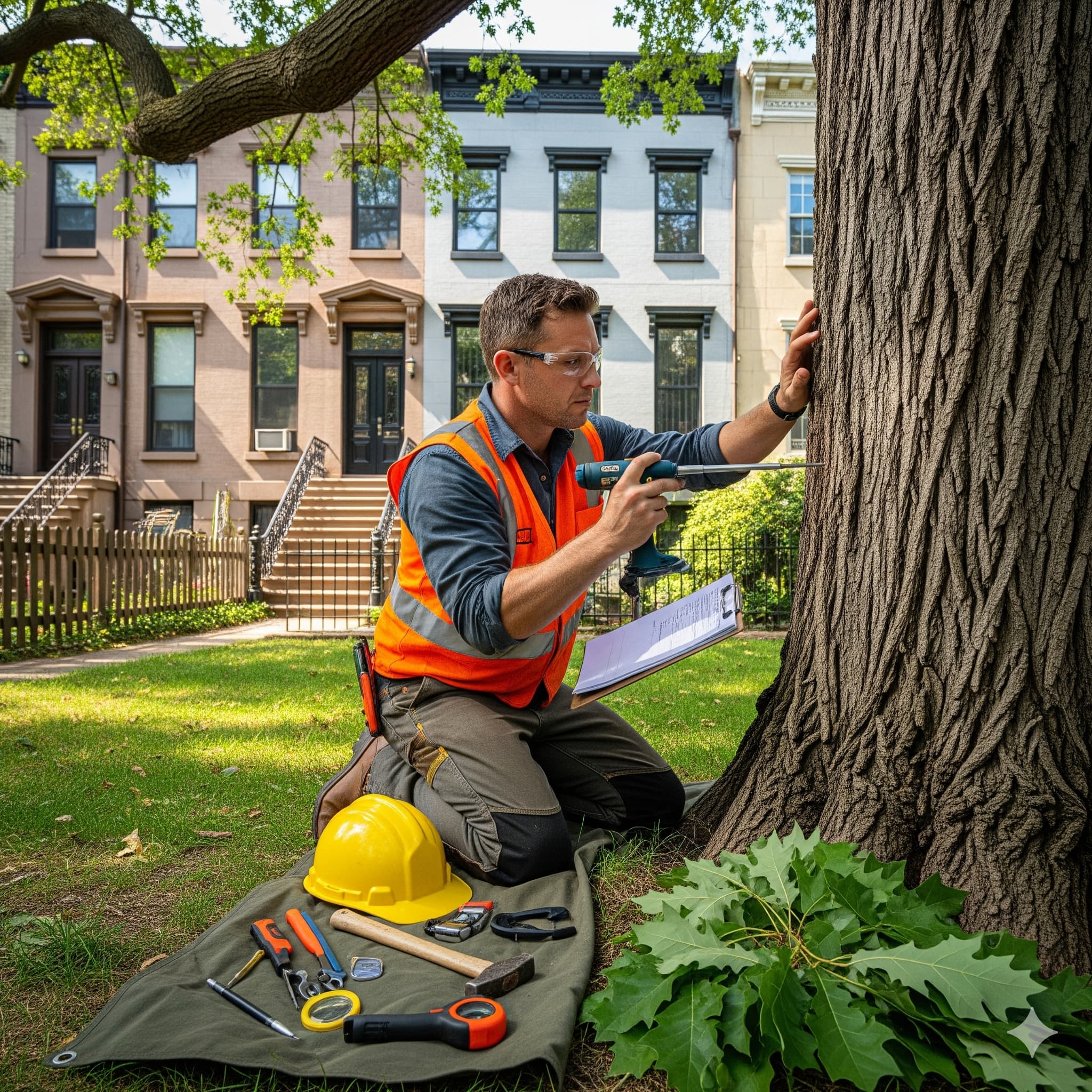
Commercial tree removal permit applications frequently require professional arborist evaluation reports, particularly when several trees are to be removed or when large-diameter trees are involved. The arborist must evaluate the health, structural integrity, and risk to public safety of the trees to be removed and provide written recommendations to the Shade Tree Commission regarding whether or not the trees should be removed or if alternative methods of treatment are available.
Commercial property owners need to seek out the professional advice of a licensed tree expert when there are public safety concerns related to tree maintenance and when there are operational issues related to commercial activities. Professional documentation is critical to help the Shade Tree Commission make informed decisions regarding commercial tree removal, balancing commercial needs with the preservation of Hoboken’s urban forest throughout the city’s business districts.
Coordination with Zoning and Planning Boards
Commercial tree removal projects that involve development-related activities may also require approval from Hoboken’s Planning Board and/or Zoning Board of Adjustment. This coordinated review process ensures that the tree removal plans are consistent with larger development proposals and site plan approvals that affect commercial properties.
For example, major commercial developments in areas such as the Central Business District or redevelopment areas require coordination of the tree removal permit with the planning process. In this way, the city can avoid conflicts between tree preservation goals and approved development plans and ensure that all regulatory requirements are met across various city departments.
Consideration of Historic Districts
Properties that are designated as being part of Hoboken’s historic district must go through an additional review process before tree removal permits are granted by the Historic Preservation Commission. As part of this dual review process, the Historic Preservation Commission evaluates how commercial tree removal activities impact the visual character and historic integrity of properties that are contributing to the historic district and surrounding areas. In some cases, the Historic Preservation Commission may also have input into the tree replacement requirements or removal techniques that are used in historic district areas.
Mitigation and Replacement Requirements
Commercial tree removal permits typically contain provisions for mandatory replacement of trees that have been removed to ensure that the urban canopy of Hoboken remains intact or enhanced in the business districts. Depending on the characteristics of the tree(s) to be removed, the Shade Tree Commission may require a one-for-one replacement or a greater level of mitigation than is required for smaller-diameter trees. If a commercial property owner cannot locate a suitable replacement tree(s) on their property, they may be required to pay a fee to the Shade Tree Trust Fund, which is a fund that supports tree planting efforts throughout the city. This provision ensures that commercial development makes a contribution to the overall health of Hoboken’s urban forest and to community environmental goals.
Requirements for Licensed Contractors
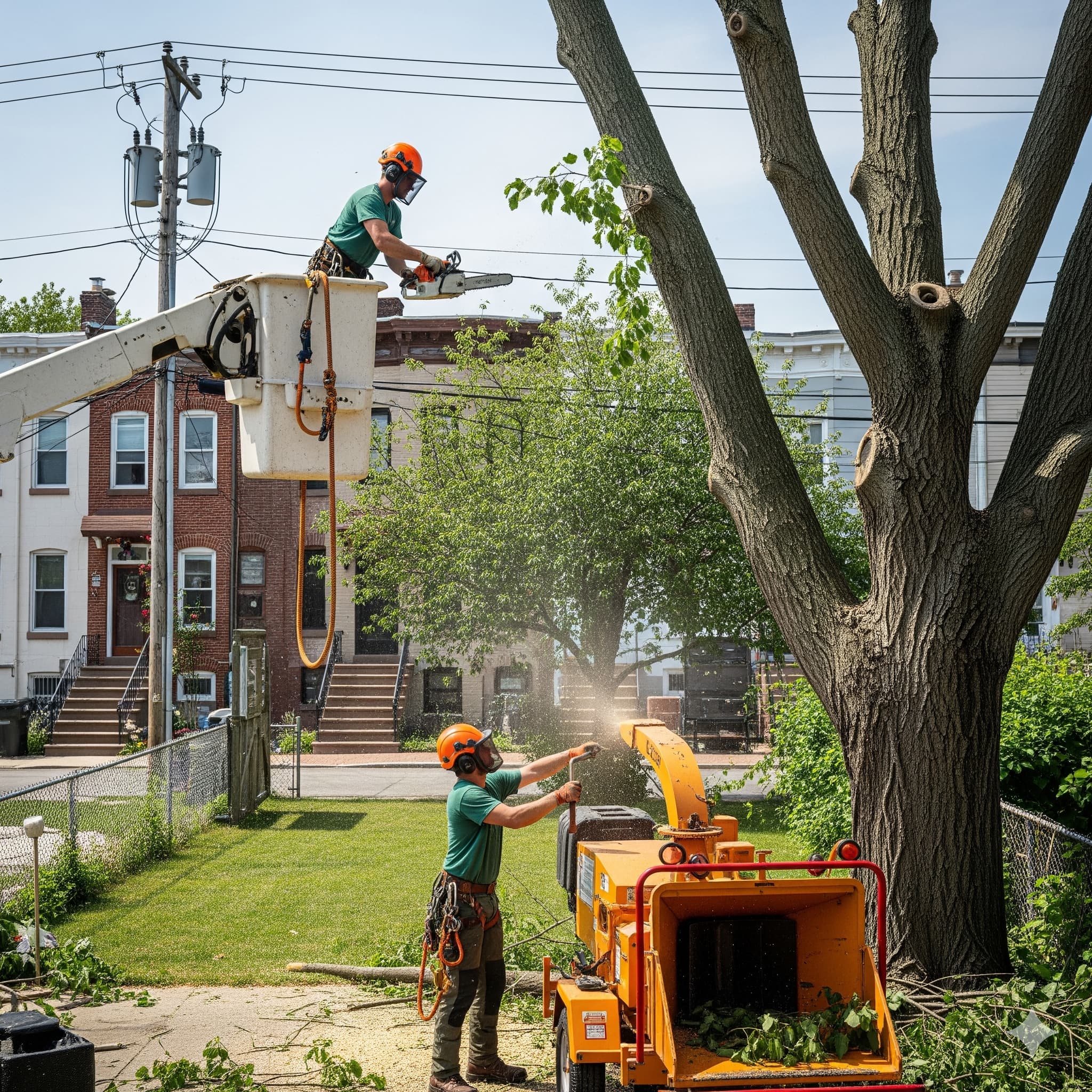
Commercial tree removal work can only be performed by licensed tree experts or licensed tree care operators who have sufficient insurance to cover potential damages. Prior to commencing any tree removal work, commercial property owners must confirm that the contractor performing the work has the requisite licenses and insurance coverage.
Licensed contractors are knowledgeable about the requirements of the Shade Tree Commission and will perform their work according to the standards established by the commission. By hiring a licensed contractor, commercial property owners can avoid liability for damages caused by improper or unauthorized tree removal work.
Seasonal and Timing Restrictions
Commercial tree removal permits may contain seasonal and timing restrictions to minimize the adverse environmental impacts of commercial tree removal activities in the business districts. The Shade Tree Commission will take into consideration the time of year, the nesting season of birds and other wildlife, and other environmental factors that could adversely impact the environment when evaluating commercial permit applications.
Some commercial tree removal projects may be restricted during peak bird nesting seasons or other environmentally sensitive times. By scheduling commercial tree removal activities during non-sensitive times, commercial property owners can help to ensure that their permit applications are approved while also helping to achieve the environmental protection goals of the city and the preservation of urban wildlife habitats.
Emergency Commercial Tree Removal
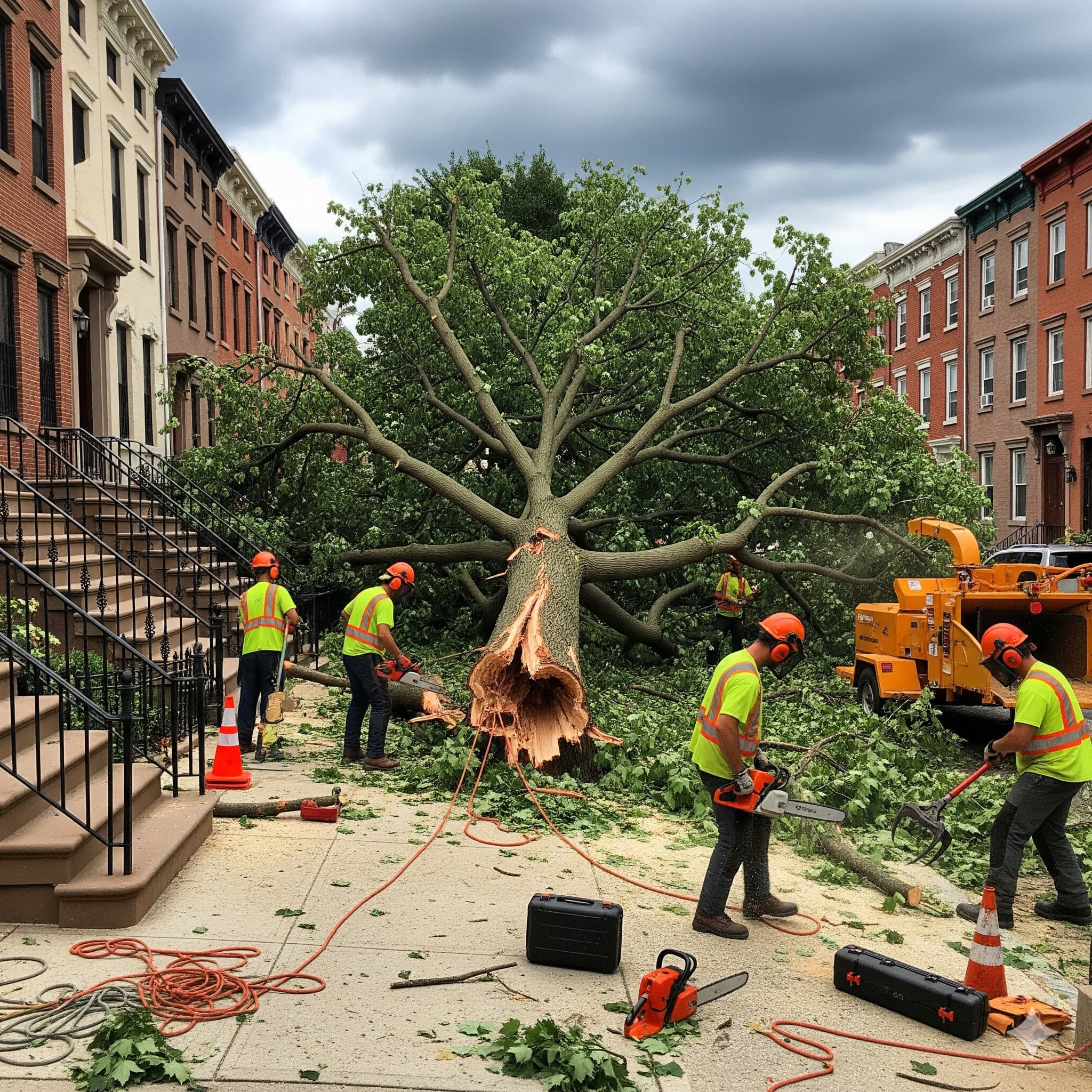
Emergencies that pose a threat to public safety or commercial property may allow for immediate removal of trees without a subsequent permit application. However, after the emergency has been addressed, commercial property owners must contact the Shade Tree Commission and city emergency services to report the emergency removal of trees.
Following the emergency removal of trees, commercial property owners must also submit a post-emergency removal permit application to document the reasons for the emergency removal of the trees and commit to replacing the trees that were removed. This process provides commercial property owners with a mechanism to address legitimate emergencies that cannot wait for the normal permitting process to occur in Hoboken’s business districts.
Fines and Compliance Enforcement
Unlawful commercial tree removal can result in fines of up to $1,500 per violation and assessment fees to replace damaged or destroyed trees. The Shade Tree Commission is proactively enforcing its permitting requirements through ongoing monitoring and investigation of complaints made by residents regarding unlicensed commercial tree removal activities in the business districts.
Commercial property owners are also liable for damage to public infrastructure or adjacent property due to unauthorized removal of trees from their property. The combination of fine and compliance enforcement mechanisms protects the city’s urban forest resources while ensuring fairness in the enforcement of regulations against all commercial property types and business operations in Hoboken.
Integration with Other Development Permits
Commercial tree removal permits must be coordinated with other development permits that are required for commercial development, including construction code permits, zoning approvals, and utility connection permits. This integration of permits ensures that tree removal activities are consistent with overall development planning and all applicable regulatory requirements are met.
Hoboken’s Zoning Office coordinates the review of permits to prevent conflicts between tree removal approvals and other development activities. Coordinating permit reviews also streamlines the approval process for commercial projects while ensuring that regulatory oversight continues to protect community interests and environmental resources.
Guidelines for Successful Commercial Applicants
Commercial property owners seeking to successfully obtain a commercial tree removal permit from the Shade Tree Commission should consider the following guidelines:
- Obtain a permit early in the process of planning the removal of commercial trees.
- Consult with experienced licensed tree experts and/or land use attorneys who are familiar with the regulations governing commercial tree removal in Hoboken.
- Provide detailed documentation and justification for the removal of commercial trees.
- Work closely with the Shade Tree Commission to coordinate the removal of commercial trees with overall urban forest management planning.
For professional guidance and assistance with commercial tree removal permits in Hoboken, please contact Hoboken Tree Service Pros. Our staff of licensed professionals understands the regulations and laws governing commercial tree removal in Hoboken and can assist you in navigating the permitting process while complying with all applicable regulations and standards for urban forestry practices in Hudson County.
LATEST POSTS