Menu
What to Do After Storm Damage in Hoboken
Storm Damage Cleanup Hoboken
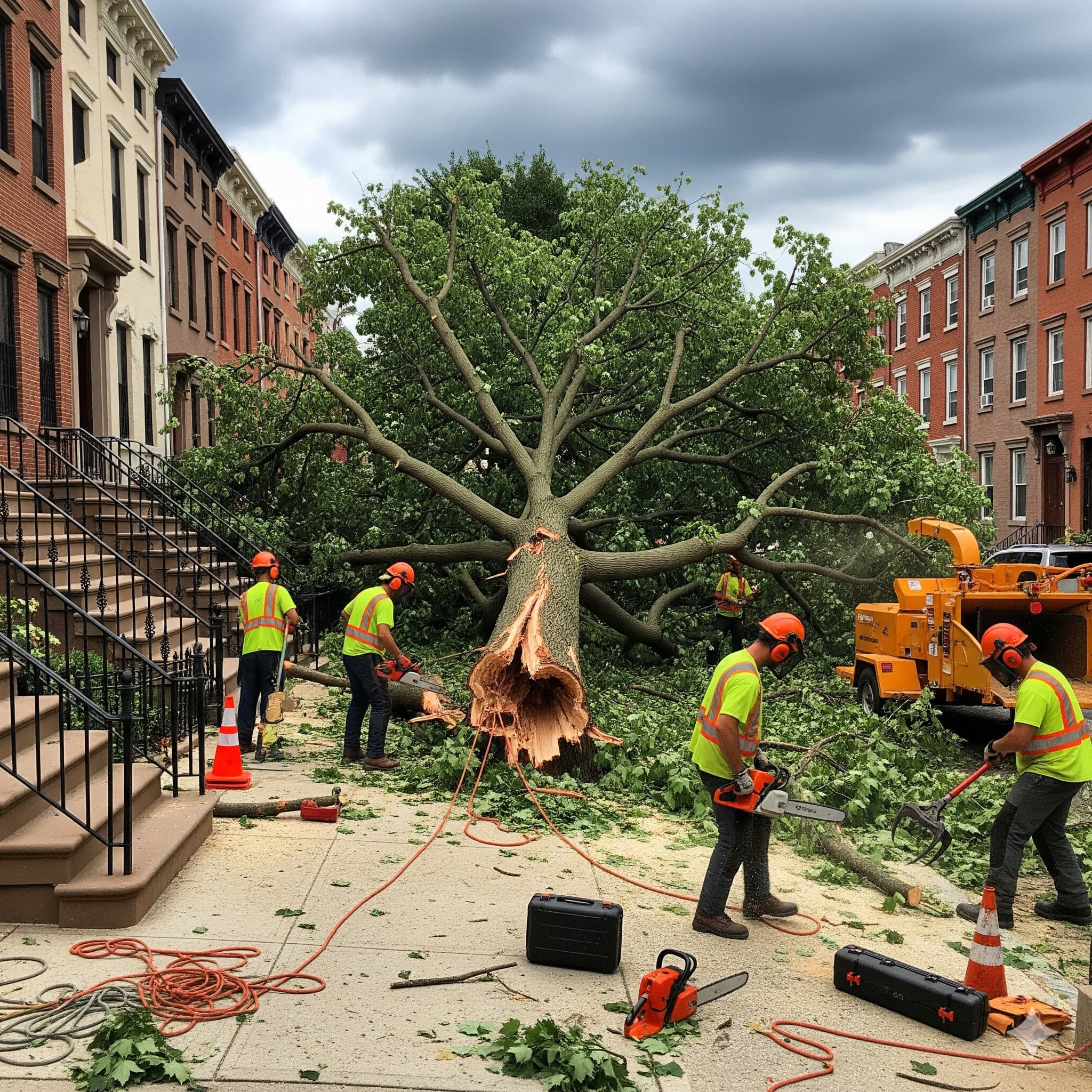
Storm damage from heavy rain in Hoboken can include broken branches, downed trees, and other debris on your residential property, which may cause an unsafe condition for your family and potentially lower the value of your home. Storm damage cleanup should be done safely, so if you have fallen branches or downed trees in Hoboken (around Stevens Institute of Technology) or if branches are falling into the street (near Washington Street), it is good to know how to clean up storm damage.
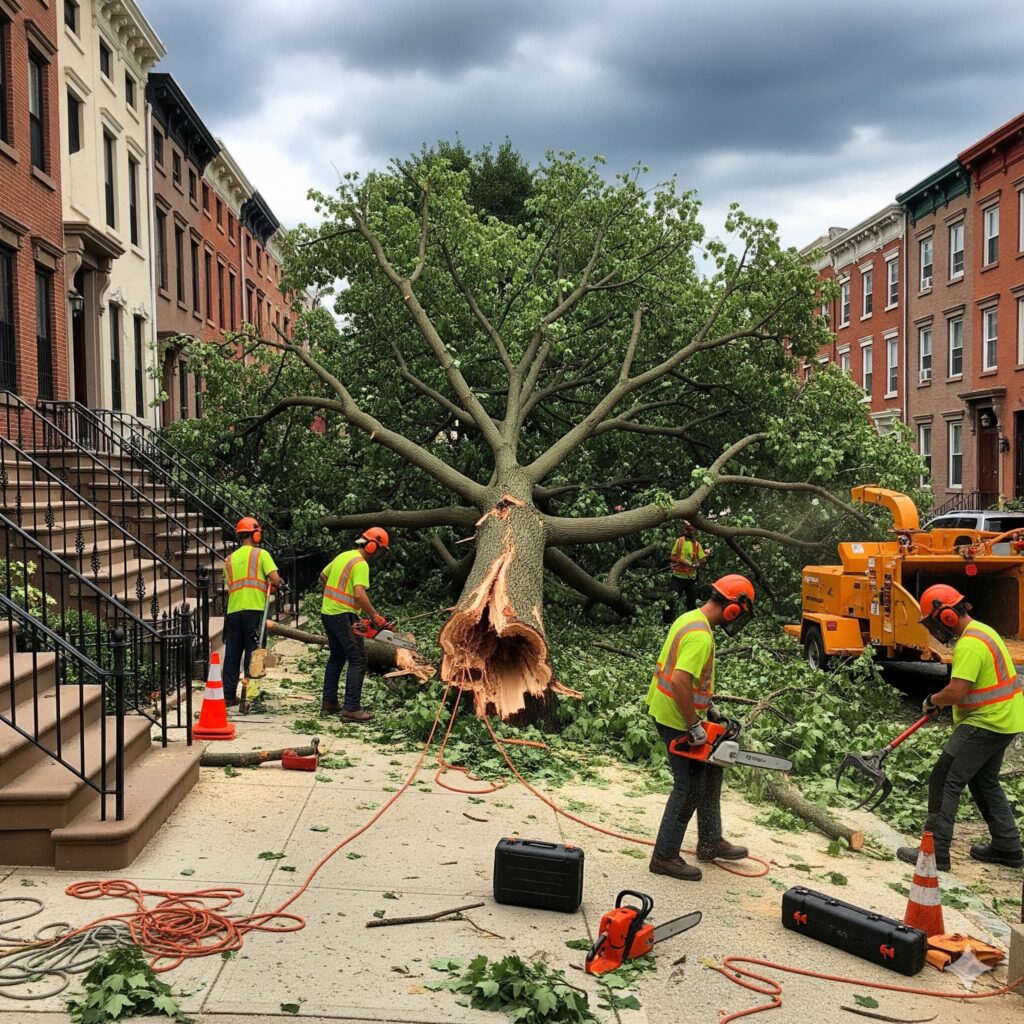
Immediate Assessment and Emergency Response Following a Storm in Hoboken
Following any storm in Hoboken, the primary concern will be ensuring everyone’s safety. Prior to stepping outside to survey damage, evaluate your home from inside for potential hazards such as downed power lines, damaged structures, and unstable trees, which could pose an immediate risk to people. If you encounter electrical hazards or suspect a gas leak, call the appropriate utility to report it and leave your property immediately if directed to do so.
Tree Service for Trees Downed onto Homes/Vehicles/Blocked Roadways near Areas Such As Church Square Park
If you have fallen trees or branches on your house, vehicle, or other property, or they are blocking roads or blocking walkways, please contact Emergency Services ASAP. Hoboken’s Emergency Management Team will contact local arborist companies to assist in addressing any hazards that may be an immediate threat to public safety, property owners, or other hazards.
Documenting Your Storm-Damaged Property For Insurance Purposes
To successfully file an insurance claim for storm damage, it is critical to document the damage. Take extensive photos and video footage of your property showing all damages from multiple angles (wide-angle shots of the damage and close-up shots of individual damages). Document the damaged items, including the trees, landscaping, structures, and any personal property.
Documenting Tree Damage To Properties Located Within Hoboken
- Photograph the tree’s root system if it is visible.
- Photograph the direction that the tree fell.
- Photograph any property damage the tree may have caused.
This documentation will assist your insurance adjuster in better understanding the incident and assist in expediting your claim. Please save all receipts associated with immediate safety measures or temporary repair costs.
Hoboken Tree Ordinance, and Compliance With Same
Regardless of the storm damage sustained to your property, the City of Hoboken enforces regulations concerning the removal and/or trimming of trees within the city limits. The city requires that any person wishing to trim, cut, or remove a tree within the city limits must apply to the Urban Forestry Coordinator, and said application must be approved by the Shade Tree Commission before commencing any such activity.
In certain emergencies, however, an exception to these regulations may be allowed. Specifically, where trees are dead, diseased, or severely damaged, particularly those that pose a hazard to structures or human life, as determined by the Shade Tree Commission, the Administrative Officer, the City Engineer, or the Office of Emergency Management Coordinator, then permission to remove or prune said trees may be granted.
Trees located on public right-of-way areas, such as River Street or surrounding the Hoboken Terminal, may require special road-opening permits from the City Engineer’s Department. It is recommended that property owners consult with certified arborists familiar with local ordinances to ensure compliance with said ordinances, while at the same time allowing them to promptly address the damage caused by the storm.
Reliable Tree Service Companies and the Requirements for Working in Hoboken
As with all aspects of construction and contracting, storm damage cleanup requires specialized equipment and expertise that can only be provided by certified and experienced professionals. When hiring a tree service company in Hoboken to perform storm damage cleanup, make sure that the company you hire has the proper qualifications and is adequately insured. The City of Hoboken requires that contractors hired to work in Hoboken obtain general and public liability insurance coverage, with certificates naming the City of Hoboken and its officers as additional insured parties.
Hoboken Tree Service Pros is one such company that operates in Hoboken and meets the city’s licensing and insurance requirements. We have experience working with city officials and insurance companies to expedite the cleanup process and comply with all applicable municipal regulations.
A Systematic Approach to Storm Damage Cleanup
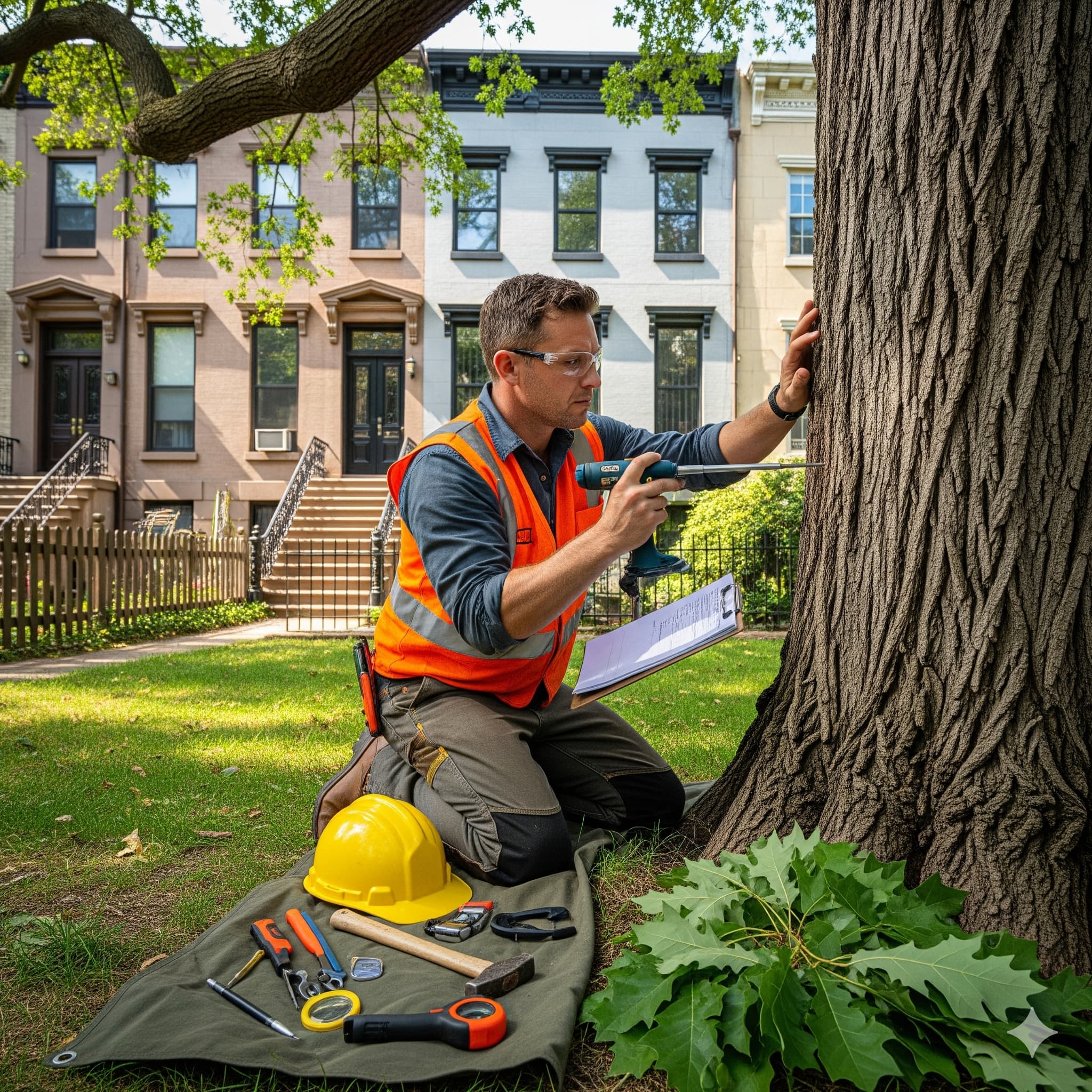
Storm damage cleanup is a methodical process that focuses primarily on ensuring the public safety and restoring your property to a safe condition. When a professional tree service company arrives at a property to perform storm damage cleanup, they conduct a thorough inspection to identify hazardous trees, assess the structural integrity of the property, and determine the most efficient method of removal for each tree.
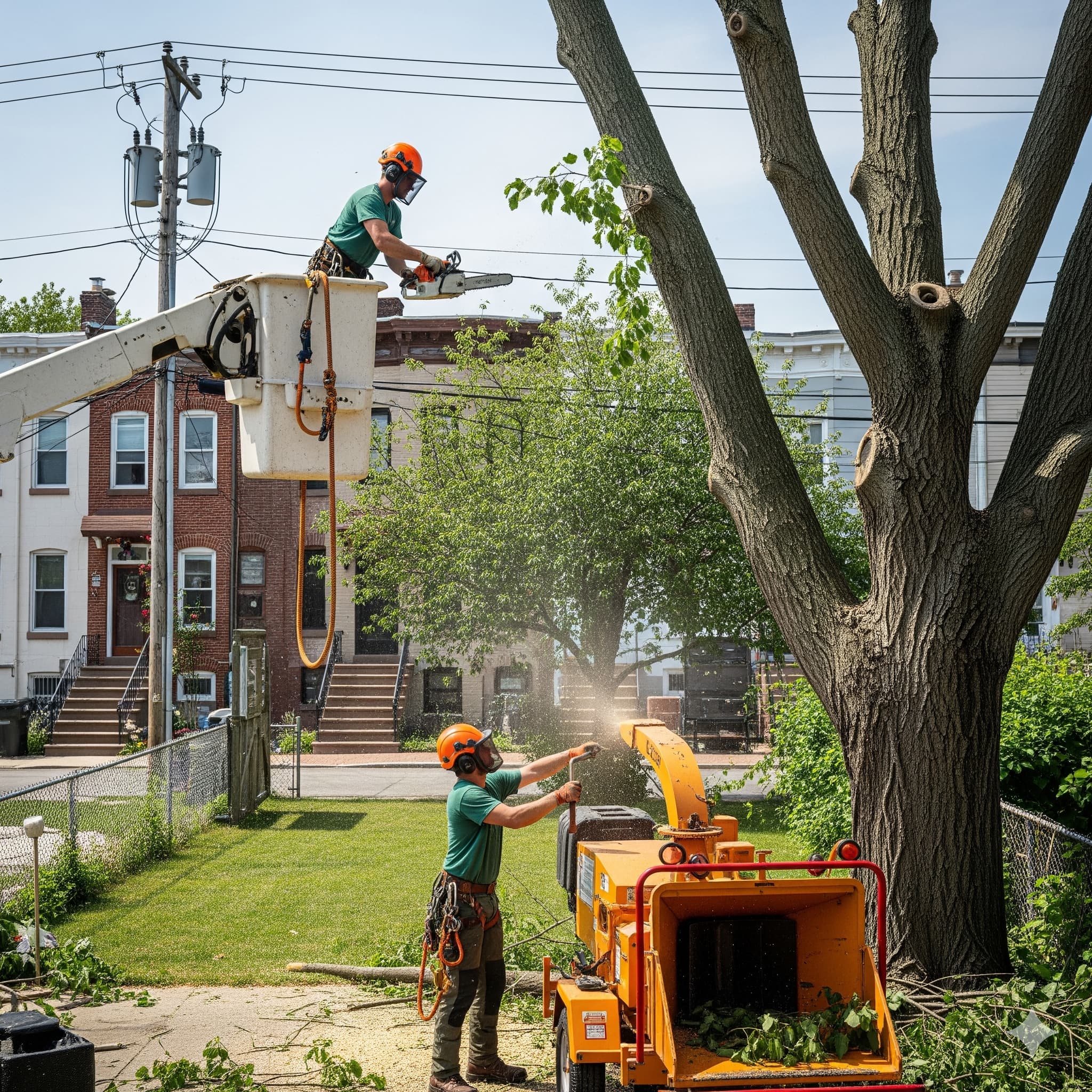
Typically, the cleanup process begins with the removal of any downed trees and large branches, followed by the collection of smaller debris. The removal process is performed using specialized equipment, such as cranes, chippers, and stump grinders, to safely and efficiently remove debris from your property without causing further damage.
Certified arborists will also inspect the remaining trees on your property to look for signs of stress or damage that may lead to future problems. Many property owners living near landmarks, such as Pier A Park or the Hoboken Historical Museum, find that storms can compromise trees that seem to be structurally intact. Professional arborists will evaluate your entire property and recommend proactive maintenance to prevent similar storm-related issues in the future.
Removing Debris From Your Property and Restoring It
Once hazardous debris is removed from your property, the next step is to thoroughly clear the property of any remaining debris. This includes chipping branches, removing stumps, and mitigating the effects of heavy machinery use on your lawn (such as soil compaction).
Professional crews will also clean out gutters, remove debris from roofing, and restore the functionality of your drainage system to prevent any potential water damage to your property.
Disposing Of Debris and Cleaning Up Post-Storm
When clearing debris in densely populated cities like Hoboken, it is critical that debris be disposed of in a manner that is environmentally friendly. Licensed tree service companies will coordinate with local municipalities to ensure debris is disposed of in accordance with environmental regulations. Furthermore, some debris, especially organic materials (wood chips), can be recycled into local landscaping projects or municipal uses.
Preparing for Future Storms
While cleaning up debris from a recent storm, now would be the ideal time to think about ways to reduce your risk of experiencing storm damage in the future. Regularly maintaining your trees, including pruning dead or weakened limbs, will help your trees to be more resilient to harsh weather.
Arborists can identify which trees on your property may present a risk during future storms and recommend remedial actions. Also, when planting new vegetation in Hoboken, it is essential to choose native species that are adapted to our coastal climate and give sufficient space between trees and structures to limit the potential for storm damage.
Finally, having an emergency preparedness plan with contact numbers for trusted tree service companies, insurance representatives, and the city emergency services will enable you to respond rapidly to severe weather threats.
Coordinating with Insurance Providers After A Storm
Insurance claims for storm damage can be complicated, especially when there are multiple properties involved or when trying to determine who is responsible for damages caused by a tree falling on a neighbor’s property. In New Jersey, homeowner’s insurance policies generally cover storm-related tree damage, regardless of the tree’s ownership status; however, property owners may still be liable if they failed to maintain trees in good condition that ultimately caused damage to adjacent properties.
Tree service companies frequently work with insurance adjusters to provide detailed estimates and supporting documentation for claims. Additionally, the companies understand what information the insurance providers need to process the claim and can clarify the differences between storm-related damage and existing conditions that may not be covered under the policy.
It is beneficial to keep records of any professional inspections, pruning services, and past recommendations for tree care or removal when filing a claim.
24-Hour Storm Damage Cleanup
Since storms occur around the clock, it is essential to have emergency tree services available 24 hours a day. When trees fall across streets near the Holland Tunnel entrance or damage residential homes, rapid response is crucial to prevent further property damage and protect public safety.
Emergency services prioritize response efforts based upon the level of risk to public safety, with the highest priority given to hazards that include: electrical wires on the ground, emergency route blockage, and immediate threat of further damage to structures.
During the wait period for professional assistance, it is suggested that property owners refrain from attempting to remove large branches or trees themselves, as the removal of such objects requires specialized equipment and training.
Temporary protective measures, such as tarping damaged roofs or cordoning off hazardous areas, may prevent additional damage until the property owner receives comprehensive cleanup services. However, any work involving electrical hazards or large tree removal should only be completed by certified professionals.
When to Seek Immediate Assistance
You should seek emergency assistance immediately if trees or large branches rest on structures, block roadways, or threaten power lines. You should also seek assistance immediately for trees that lean precariously after storm damage, even if they have not yet fallen completely.
Do not delay in taking action on partially damaged trees, as they may fail suddenly and cause further damage to your property or injure someone.
Determining Whether Emergency Removal Is Necessary
An evaluation by a professional arborist will help determine whether emergency removal of a partially damaged tree is necessary, or whether the tree can be stabilized and preserved through proper care.
Long-Term Recovery and Landscaping Design
Storm damage cleanup presents an excellent opportunity for improving the overall design of your property’s landscape and enhancing the storm resistance of your property. Once the damaged trees are removed, consider how you will place your replacement plantings and select plants that will blend well with the urban character of Hoboken, while providing the benefits of mature landscaping.
Professional landscape architects and certified arborists can help you select tree species that thrive in the coastal climate of Hoboken and are more likely to resist storm damage. Proper spacing, suitable species selection, and regular maintenance will allow you to create a landscape that will increase your property’s value while reducing the likelihood of future storm damage.
Many property owners take advantage of the storm damage cleanup process to fix other storm-related issues, including fixing drainage problems, installing rain gardens, or creating outdoor spaces that can better withstand extreme weather conditions. Not only will these improvements protect your property from future storm damage, but they will also enhance your ability to enjoy your outdoor spaces.
Need Reliable Storm Damage Cleanup and Tree Service in Hoboken, NJ?
Call Hoboken Tree Service Pros to receive professional emergency response services and comprehensive storm damage restoration to help you quickly and safely recover from severe weather events.
LATEST POSTS