Tree Removal in Hoboken
Expert Tree Removal for Urban Properties
At Hoboken Tree Service Pros, it’s our mission to always save trees if at all possible. Sometimes, however, tree removal is necessary for safety purposes or to protect property. Our professional arborists provide the best in tree removal service for your urban area needs.
We take pride in the precision and safety of our removals; we carefully plan each removal to avoid damaging adjacent properties and landscaping. With years of experience working in Hudson County’s urban environments, we have developed the most up-to-date methods and equipment to safely remove trees from your property quickly and efficiently, leaving you with a clean and clear space.
Get A Free Quote
When Tree Removal is Necessary
Dangerous Situations: A dangerous or leaning tree poses an immediate threat to all the row homes, parked cars, and bustling pedestrian sidewalks in the dense streets of Hoboken. Once a dead or decaying branch becomes brittle and breaks off, there is a constant risk of falling debris that puts the public at risk and leaves property owners liable for damages.
Death and Rot: Dead or decaying trees that have been damaged internally by rot or infection often pose a structural hazard that will require removal. The removal of such hazardous trees prevents the potential spread of disease to nearby foliage and removes the possibility of a tree collapsing suddenly.
Damage From Storms and Nor’easters: The coastal area of Hoboken is subjected to the effects of powerful nor’easters and heavy salt air that can break tree trunks, pull roots out of the ground, and tear away large branches. After storms, if a tree has suffered irrevocable structural damage, we must remove it professionally to make the property safe again for its occupants and the surrounding community.
Development of Urban Areas and Land Clearing: As Hoboken continues to modernize its urban areas and build new extensions onto homes and businesses, it often requires the strategic clearing of land to allow for construction. We work closely with developers and homeowners to clear their properties in an efficient manner so construction may begin while taking care to preserve any designated “save” trees.
Overcrowded Trees: In small areas where multiple trees compete for the same soil nutrients, water, and sunlight, the trees can grow stunted due to the competition between them. Selectively removing the overcrowded trees allows the remaining trees to continue to grow and thrive through increased airflow and greater access to the necessary resources for continued growth.
Utility Lines and Hardscapes: Extensive root systems can cause significant damage to historic foundations of homes in Hoboken, brick sidewalks, and underground utility lines. If structural barriers or root pruning are no longer sufficient to prevent further damage to your home’s foundation and other structures (such as brick walkways), complete removal of the tree may be the most practical solution to protect your investment.
Poorly Placed and Invasive Species Trees: Trees that are placed too close to homes can block sunlight to the inside of the home and/or interfere with overhead power lines and become more of a nuisance than a benefit. We can assist you in regaining control over your usable outdoor space, whether you would like to create a rooftop garden or merely eliminate branches that scrape against your home.
Management of Non-Native Species: Non-native invasive species can rapidly dominate Hoboken’s local ecosystem and outcompete the native plant species that provide food for local birds and pollinators. Removing these non-native invasive species allows you to restore a balance to your local ecosystem and create a more sustainable environment that is representative of the natural history of the Hudson River waterfront.
Our Professional Removal Process
Step 1: Initial Visit to Assess Property and Tree
During an initial meeting at your property, our certified arborist will evaluate the trees and their proximity to adjacent structures and other items (such as overhead power lines) and also assess their overall health and structural integrity. The arborist will discuss any issues with your tree and explain your options, as well as respond to any questions you may have. At this time, we will create a preliminary plan for removing your tree that will minimize damage to your property and other items on your property.
Step 2: Final Written Estimate
Once our arborist completes the initial assessment, we will provide you with a detailed written estimate that outlines the specifics of the removal project, including the type of equipment and methods that will be used, estimated completion time, and the total cost of the project. All costs associated with the removal project will be clearly outlined so there are no surprises or hidden fees.
Step 3: Permits
Depending on the size of the tree being removed and/or if the tree is located in a designated preservation area, many cities and towns require a permit before removal. Our company is familiar with the permitting requirements of the various jurisdictions where we operate. We can help facilitate the permitting process, prepare and submit any required documents to expedite the approval process.
Step 4: Preparation of Work Site
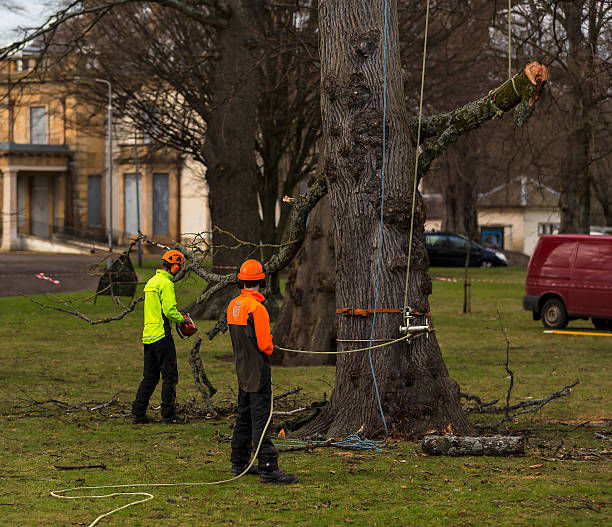
Before the removal of the tree begins, our arborist will contact the appropriate utility companies to mark the location of underground utilities and will establish a safe perimeter around the work site to prevent damage to adjacent structures and property. In addition to establishing a safe perimeter, our arborist will work with you to determine what needs to be done to safely accommodate our equipment during the removal of the tree. We will notify you of any actions that need to be taken to allow the removal of the tree to proceed.
Step 5: Precision Removal of Tree
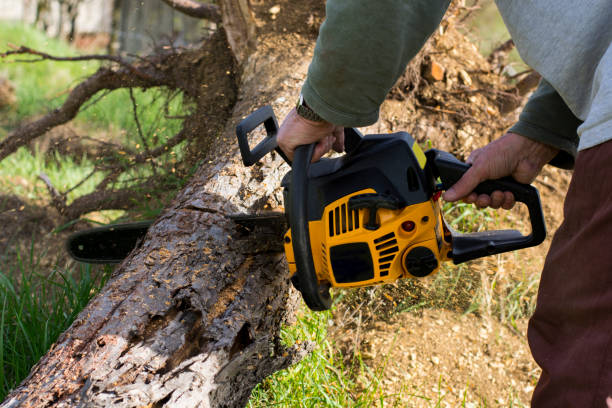
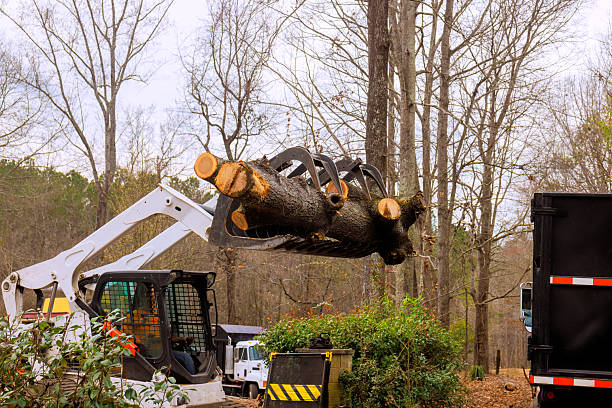
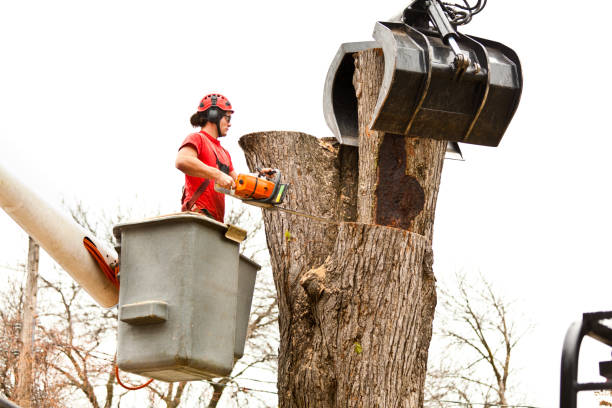
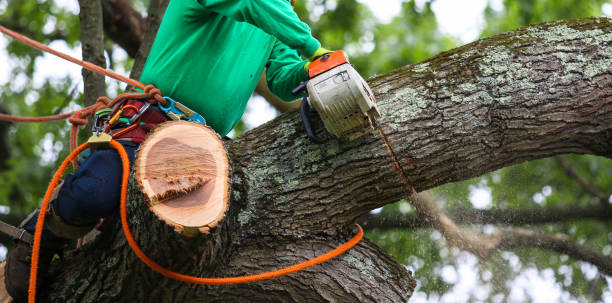
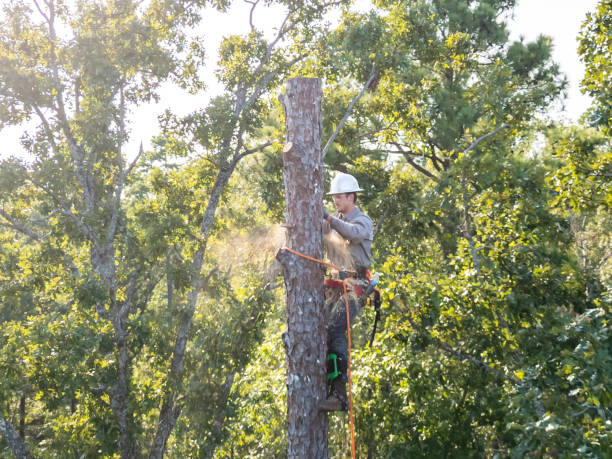
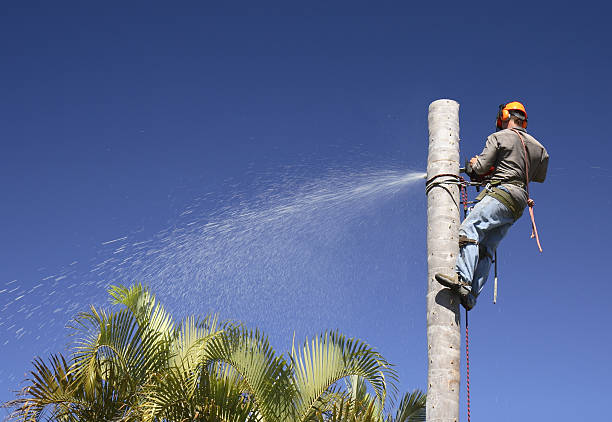
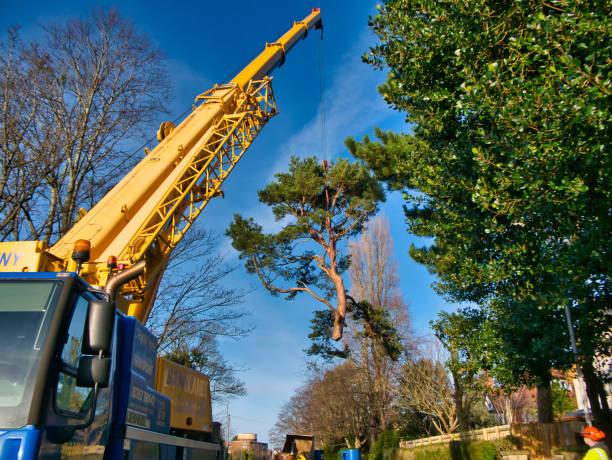
On the day of the removal, our experienced arborists will arrive at your property with the necessary equipment and protective gear to begin the removal of the tree. Using state-of-the-art rigging equipment, our arborists will systematically remove the tree piece by piece, which provides a safer method of tree removal than using chainsaws to simply fell the tree into the surrounding area. This method of removal allows our arborists to carefully control the descent of each limb and branch and reduces the risk of damage to the nearby structures and property.
Step 6: Removal of Stump
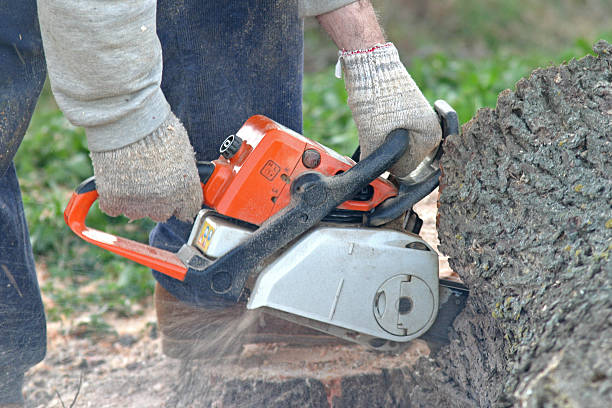
Once the tree is removed, our arborist will cut the remaining stump as close to grade as possible. You may choose to have the stump immediately ground or wait until a later time to have it ground when you are ready to begin new landscaping projects. We will discuss your options with you and determine the best course of action for that specific area.
Step 7: Debris Removal and Yard Cleanup
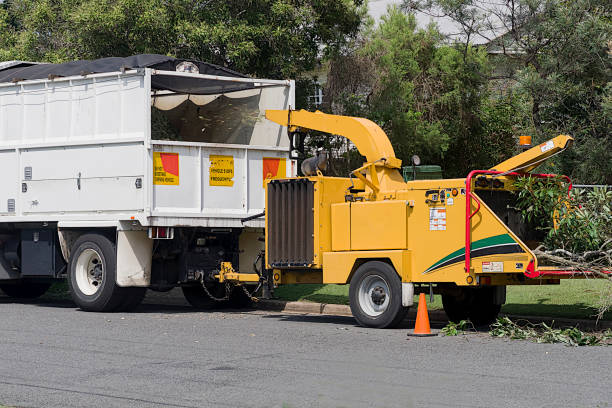
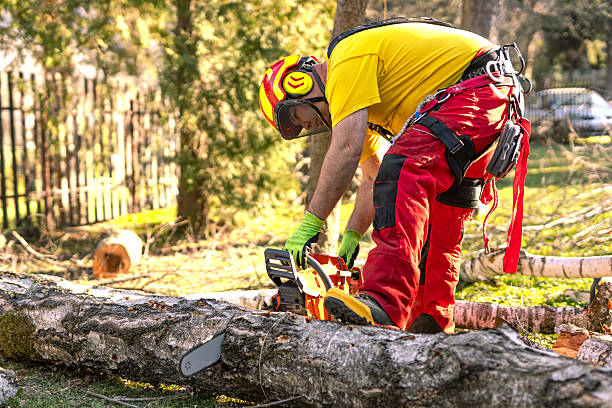
When the removal of the tree is complete, our arborist will haul away all debris generated from the removal of the tree, including branches, wood chips, etc. In addition to hauling away all debris, our arborist will thoroughly clean your yard, including raking the area to ensure it is free of debris and ready for your next project. If you would like to retain the wood for firewood, our arborist will gladly cut and stack the wood for you in a convenient location on-site.
Step 8: Final Walkthrough
Upon completion of the removal project, our arborist will conduct a final walk-through with you to ensure that all aspects of the removal were satisfactory and to your liking. At A Better Cut, we strive to build long-term relationships with our customers and do not consider the removal project complete until you are completely satisfied with the results and cleanliness of your property.
Post-Removal Services
Emergency Removal Services
Complete Solutions
- Stump grinding options
- Root removal
- Site restoration
- Soil preparation
- Replanting consultation
24/7 Response
- Storm damage handling
- Fallen tree removal
- Emergency assessment
- Immediate safety measures
- Priority scheduling
Why Choose Our Tree Removal Service?
Professional Guarantees
Full Insurance Protection for Your Home and Our Crew: With full liability and workers’ compensation insurance, we protect you, your home, and our crew at all times, so you will never have to worry about what may happen on your property while we work on your landscaping project.
Protection for Your Property: To minimize the risk of damaging your plants, lawn, structures, and hardscape, we utilize specialized ground protection mats, along with the most current rigging equipment. We treat your property as if it were our own and take extra precautions to keep your surroundings free of disruption.
Cleaning Up After the Job Is Done: We feel that the job is not complete unless your property is clean of all debris, branches, and sawdust. We rake your yard thoroughly so it is in perfect condition for your next use.
Clear Written Estimates: We provide you with a full explanation of the services that we plan to perform on your property and the cost of those services. This way, you will know exactly what to expect from us and will not be surprised by any additional charges after the project is complete.
100% Satisfaction Guarantee: We want you to be completely happy with the service that you receive, and we guarantee that we will not consider the project complete until you have personally seen the work and are completely satisfied with how it has turned out.
Compliance Assistance
Local Government Permit Application: Navigating the red tape of local government permitting can be overwhelming; therefore, our company will obtain all necessary permits to remove trees from your property through the entire permit acquisition process. In addition to handling the permit process, our employees will file all documents related to tree removal as they relate to the city and to avoid the risk of delays due to non-compliance, as well as potential fines.
Urban Densification Planning: Working in urban areas such as Hoboken with multiple dwelling units (i.e., row houses) within proximity to one another, it is critical that tree removals are carefully planned to minimize disruptions to adjacent properties and to protect property lines. Therefore, our company will take the initiative to implement all safety precautions necessary to complete tree removals safely and efficiently while minimizing disruption to the surrounding neighborhood, including clearing sidewalks and utilizing street spotters where applicable.
Homeowners Association Approval Support: If your property is governed by a homeowners association (HOA), our company will provide you with the technical specifications and documentation necessary to support the HOA’s review of your proposed tree removal. Our company will also assist in expediting the approval process by assuring that your project complies with the HOA’s governing bylaws and landscaping requirements.
Regulatory Environmental Compliance: We operate under an environmentally responsible model and comply with local and state regulations concerning ecosystem preservation and migratory bird habitats during nesting seasons. Additionally, we utilize sustainable tree removal practices that preserve the ecological integrity of your property while complying with all applicable state and local environmental regulations.
Document Control/Tracking: Our company maintains accurate documentation of each project, from original site maps to completion of the project, to include documentation of the final report of tree removal on your property. This documentation provides a permanent record of each project completed at your property, which may be used by local regulatory agencies or insurance companies to verify compliance with local ordinances and regulations.
Environmental Responsibility
Sustainable Practices
Recycling of Wood: All debris (wood) is recycled into mulch or wood chips that can be locally used, as opposed to being sent to a landfill. Thus, the organic matter of the trees on your property can be repurposed as an input to other landscape and gardening uses.
Evaluation of Wildlife Habitat: Before any major removals are done, our staff evaluates each tree to determine if it contains active wildlife nesting sites or has a significant local ecological value. Our staff takes measures to minimize disturbance to local fauna during the removal process, so that the property maintenance is performed with respect to the natural environment.
Recommendations for Planting Replacement Trees: Our staff provides recommendations for the selection and planting of replacement trees based on the characteristics of your soil and available space. They assist you in choosing native species that should thrive in the local climate and contribute to the long-term attractiveness of your property.
Disposal of Organic Green Waste: We are committed to responsible waste management practices and ensure that all organic green waste is transported to specialty composting facilities. This approach results in reduced carbon emissions associated with your project and contributes to the development of nutrient-rich soils for the area.
Reuse of Large Logs Locally: To the extent feasible, we arrange for the reuse of large logs for local woodworking projects or community firewood programs. In this way, we promote a circular economy and recognize the importance of preserving the life of the tree.
Cost Considerations
Size and Location of Trees: The size and location of a tree significantly affect the difficulty and cost associated with removing it. Larger trees (those of greater height and/or diameter) have more mass and therefore require more time and labor to remove than smaller trees. Also, when a tree is located near buildings or power lines, there is an added risk of damage to these structures during the removal process. This increased risk will be reflected in the estimated price for the removal of the tree as we take every precaution to protect adjacent property owners and utility companies.
Accessibility Challenges: As previously stated, a job in a densely populated city may also present significant challenges related to access to the tree. For example, narrow alleys or small backyards may prevent our equipment and personnel from accessing the tree. As such, the difficulty of accessing the tree is considered in estimating the total cost of the project.
Machinery Requirements: Each job requires different types and quantities of equipment. For example, some jobs may require a crane, bucket truck, or other heavy-duty equipment to safely and efficiently remove the tree. In all cases, we consider the type and quantity of equipment required for each job and include this in estimating the total cost of the job.
Estimating Time Required: The amount of time required to complete the removal of the tree will depend on the condition of the tree and the techniques used to remove it. Techniques include, but are not limited to, systematically dismantling the tree by hand or using traditional felling methods. We will estimate the total number of hours required to properly complete the removal of the tree based on the techniques to be used and the number of personnel to be assigned to each job.
Removal of Debris: Debris generated by the removal of a tree is also included in the overall cost of the job. Depending on the size of the tree, there may be a considerable amount of debris to be removed. Options for the removal of debris include having the debris hauled away in large pieces or chipped into smaller pieces and left at the base of the tree. Other options for debris removal include recycling of materials such as branches and leaves. We will discuss all of these options with you before starting the job so that you can select the option that meets your budget and objectives.