Tree/Shrub Trimming & Pruning Services
Expert Tree Trimming for Urban Properties
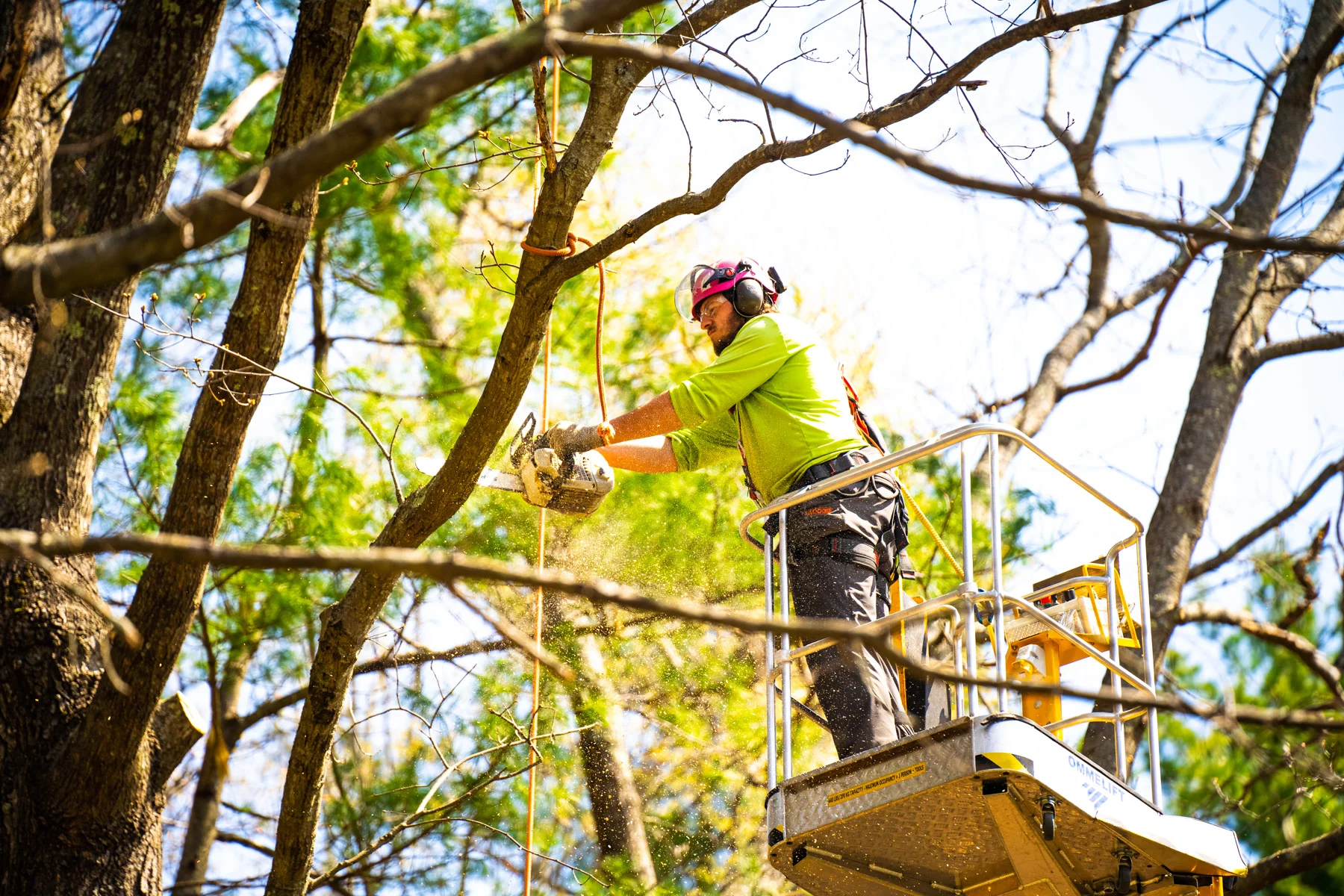
Hoboken Tree Service Pros is aware that proper tree trimming & pruning are key elements in preserving healthy and thriving trees in urban environments. Our expert team has the knowledge and experience to provide professional care for each tree through all aspects of the job, with a focus on how to preserve the health of the tree, along with the original shape and natural appearance of the tree.
Each tree trimming service provided by our company will maintain and enhance the structural integrity and long-term survival of your trees. We will use strategic and precise cutting methods to ensure the optimal growth of each tree, minimize the risk of damage to surrounding structures, and protect your landscape as a beautiful and safe place to be in the unique environment of Hoboken.
Get A Free Quote
Our Tree Trimming & Pruning Services
Crown Maintenance
Crown Cleaning: Hoboken is a very densely populated urban community; therefore, crown cleaning is required in order to ensure both the health and safety of the residents as well as the aesthetic appeal of the area. Crown cleaning includes the removal of dead, diseased, or broken limbs from the crown of a tree. The dead, diseased, or broken branches that are removed through crown cleaning may at some time fall to the ground below, thereby creating a hazard for people walking down the sidewalk, parked automobiles, or other rooftop properties. In addition to removing potential hazards, crown cleaning will also help to prevent the spread of disease within the tree itself. Thus, although trees in Hoboken have their fair share of environmental stressors, they will remain healthy due to regular crown cleaning.
Crown Thinning: Selective crown thinning is a technique used to remove select branches in a crown to allow for greater light penetration into the canopy of the tree, as well as increased airflow throughout the tree’s canopy. Selective crown thinning is especially important to backyard gardeners in Hoboken because many of these areas receive little if any direct sunlight. The reduction in wind resistance created by the tree allows the gardener to enjoy more control over the maintenance of the tree and its surroundings (i.e., reduced likelihood of branch failure in high winds, etc.), as well as to promote the growth of understory plants and lawns.
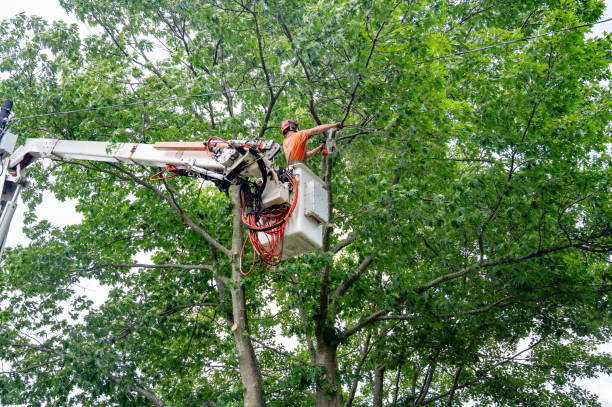
Crown Raising: Crown raising is an essential service for those trees that are located along a busy street, as well as those trees that are located close to historic row homes. Crown raising entails the removal of select branches at the base of the tree to create a sufficient amount of clearance between the pedestrian path, delivery vehicles, and/or local traffic. The crown raising of a tree helps to eliminate any interference with building facades, street signs, or overhead utility wires, thus protecting the public right-of-way.
Crown Reduction: If a tree has grown to a size where it is too large for the available urban space, crown reduction is an excellent option for decreasing the size of the tree (both in terms of height and width), while still retaining the natural shape of the tree. Unlike topping, which can cause damage to the tree, our professional crown reduction techniques involve selective pruning of the tree to encourage new growth patterns, while maintaining the structural integrity of the tree. Crown reduction is an excellent option for large specimen trees that are growing to the point of encroaching upon power lines, upper-floor windows of residential properties, etc.
Specialized Pruning
Vista Pruning: Viewing the Hudson River or Manhattan skyline will be important in increasing property value in a waterfront city like Hoboken. Our vista pruning will allow you to see your view while keeping the tree alive. Thinning the canopy and creating windows within the canopy allows you to see what is out there while still giving you the privacy and shade of a mature tree.
Training Young Trees: Structural pruning of young trees (years 1-5) is the best way to invest in your tree for a long life in an urban setting. We want to develop a strong central leader and well-spaced permanent branches so that the tree does not structurally fail in the future due to wind tunnels and limited root space in the city. Training the young trees now will ensure they grow into stable, healthy specimens.
Pruning Trees in a Directional Way: Trees growing in high-density neighborhoods are competing for space with building facades, fire escapes, and overhead utility lines. Using directional pruning, we can guide the growth of the canopy away from obstacles by making selective thin cuts to encourage development in a safer location. This method reduces the need for more drastic pruning in the future and prevents the branches from scraping against your siding or interfering with essential service wires.
Seasonal Pruning: Timing is everything when it comes to maintaining the health and vitality of your landscape. Based on the species of tree, we will prune at the optimal time of year. For example, we may prune dormant trees in the winter to stimulate spring growth, or summer prune to manage sap flow. We will coordinate our services with the natural rhythms of the seasons in the northeast, which should help promote wound healing and reduce the risk of disease and pest infestation that can develop during the humid northeast seasons.
Benefits of Professional Tree Trimming
Safety Enhancement
Elimination of Hazardous Branch Removal: Proactive maintenance will remove all dead and damaged (weakened) branches that could fall and harm people walking on crowded city sidewalks. Systematically maintaining your trees will prevent accidental injuries to people in busy residential areas with heavy pedestrian traffic.
Damage Prevention to Nearby Properties: Continuous pruning of branches will help to keep large branches from rubbing against your home’s exterior siding and/or the historic roofline of your home. Regular maintenance will also eliminate costly repairs to gutters, windows, and overhead utility lines as a result of overgrown branches that were not pruned regularly.
Improvement of Visibility: Removing lower branches will allow drivers to clearly see other cars at intersections, and the removal of branches will ensure that street signs remain clear and visible to the general public. Also, removing some of the leaves from the upper portion of your tree(s) will allow natural sunlight to filter down into windows and garden beds that may be shaded from sunlight due to being located under a tall urban building.
Reduction of the Potential for Damage from Strong Winds and Storm Damage: Removing some of the top leaves from your tree will reduce the amount of air resistance the tree has when exposed to a severe storm with strong winds. As a result, the tree is less likely to be severely damaged or uprooted during a storm.
Tree Health
Prevention of Disease: Cutting out decaying or diseased areas of wood will prevent the spread of those diseases throughout the rest of the tree and to other plants as well. It’s also vital in crowded city environments since disease can easily spread from one plant to another in proximity to each other.
Better Nutrient Distribution: Pruning dead, diseased, dying, or non-productive branch limbs on your tree will allow it to use its energy and nutrients more efficiently towards the healthier branches and root system of the tree. Once you can channel your tree’s energy into the most productive areas of the tree, it will become a much more robust and healthy tree, capable of withstanding the stress of urban life.
Increased Air Circulation: Reducing the density of the canopy of your tree will improve air movement through the branches, which will greatly reduce the moisture accumulation that promotes fungal growth. Improved air circulation will contribute to a cleaner interior and discourage the humid climate that fosters pest infestations.
More Fruit Production: For homeowners with fruit-bearing trees, strategically pruning them will increase sunlight exposure to the inner fruiting spurs on their trees, resulting in larger, higher-quality fruit. Pruning at the proper time will stimulate new productive wood and make the fruit more accessible to pick during the growing season.
Our Expert Approach
Assessment Phase
- Complete tree inspection
- Identification of trim points
- Evaluation of structural needs
- Discussion of goals with the property owner
Execution Process
- Safety setup and area preparation
- Precise cutting using proper techniques
- Systematic branch removal
Continuous clean-up - Final inspection
Why Choose Our Trimming Services?
Technical Excellence
Certified Arborists: Certified arborists oversee the planning and execution of every pruning job. As professionals who have studied the biology of trees, they are able to plan the pruning job so that every cut made will be done with the future health of the tree in mind. In addition, this provides clients with a higher level of service than a typical landscaper.
Species-Specific Pruning Methods: Each species of tree has its own specific characteristics as far as how it grows and heals. Our arborists understand these differences and use pruning methods that are specifically designed for each type of tree. For example, when pruning an ornamental cherry, the arborist will be very careful and considerate of the branches to avoid damaging them. When pruning an oak, the arborist may prune the tree more aggressively to allow sunlight to reach the lower limbs. The pruning method used depends on the type of tree being pruned.
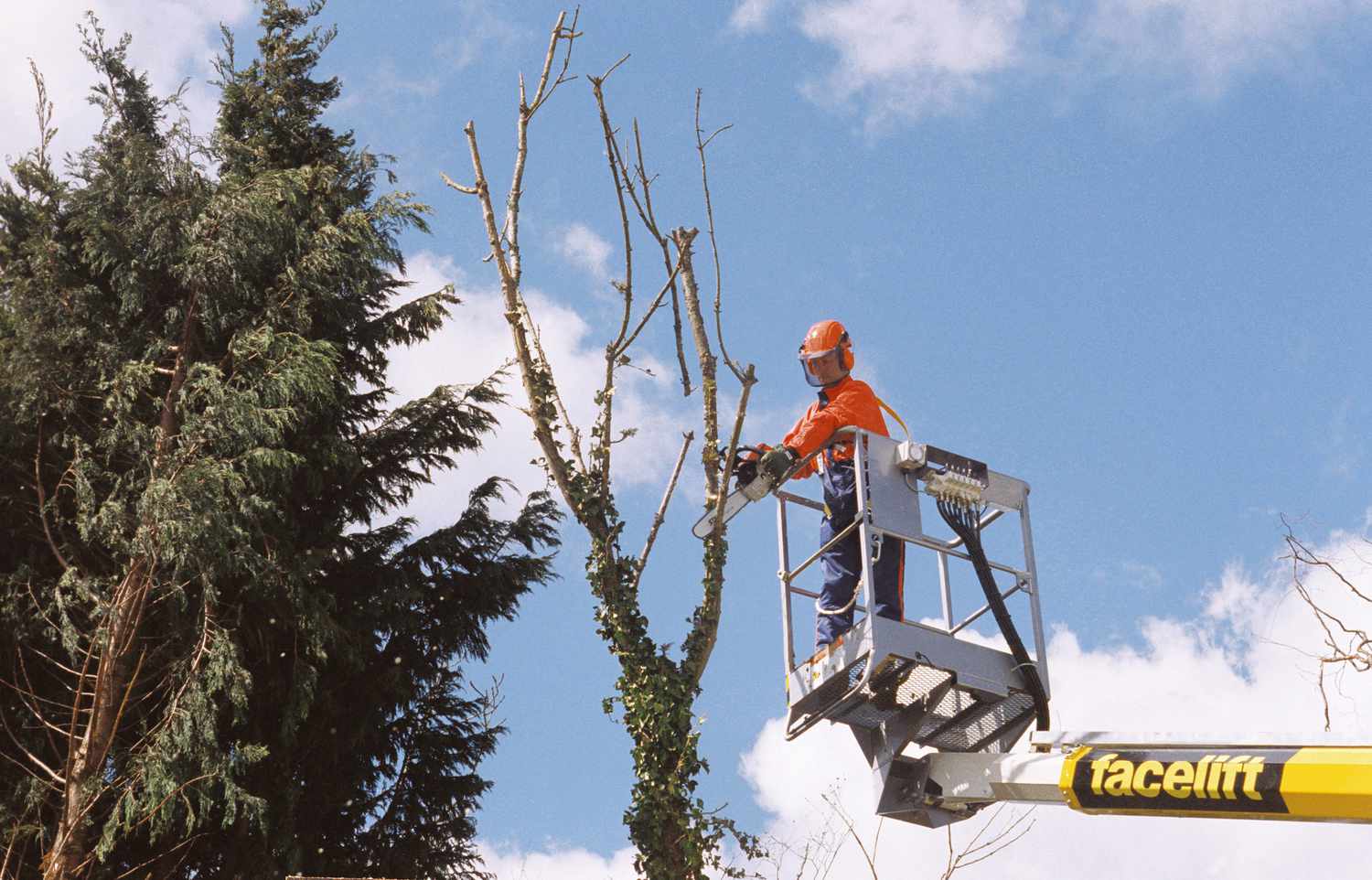
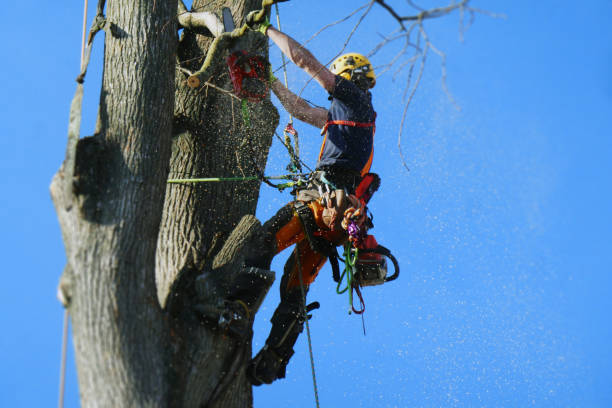
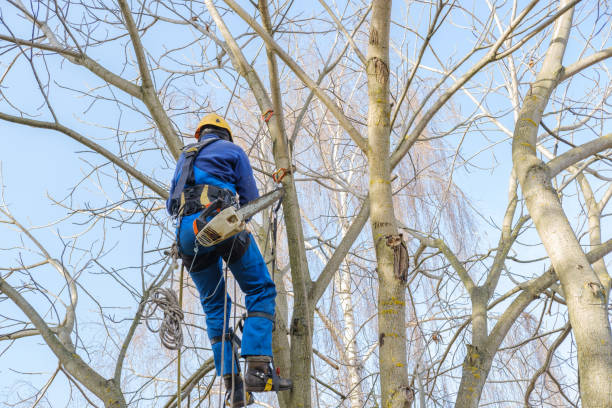
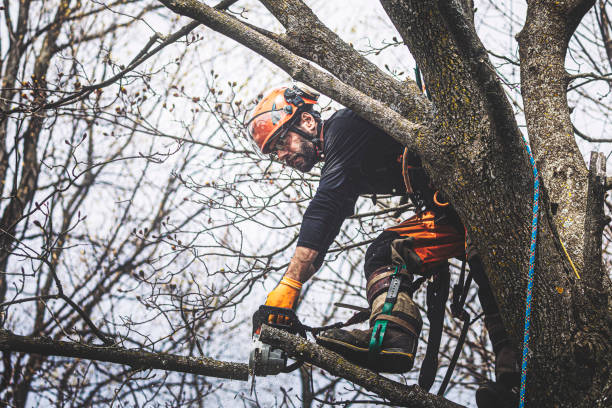
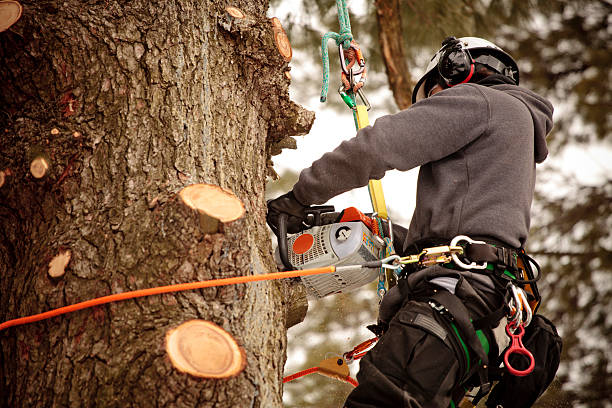
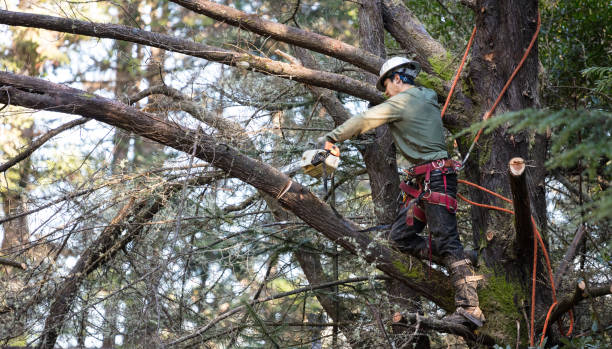
Modern Climbing and Cutting Technology: In order to properly care for trees and to safely care for them, the equipment and tools we use to prune the trees must be up-to-date and maintained to run at peak performance. The equipment we use includes, but is not limited to, modern climbing equipment and surgical-grade cutting tools. These tools enable us to make precision cuts that do not cause excessive damage to the tree and allow for safe access to the branches of the tree.
Properly Angled and Located Cuts: When making cuts to trees, it is essential to follow established guidelines for the placement and angle of the cut. Branch collars protect the area where the branch meets the trunk of the tree. We carefully select the angle and place of the cut to allow for the fastest healing possible. Cutting the branch at the proper angle helps prevent the formation of cankers, which can lead to decay inside the tree. Properly cutting the branch also minimizes the amount of scarring that occurs. This allows your tree to continue to grow and thrive without creating unsightly areas in your landscape.
Safety Protocols
Compliance with OSHA Regulations: The company’s safety protocols comply fully with U.S. Department of Labor (DOL) Occupational Safety and Health Administration (OSHA) rules as well as other applicable regulations, so that each job site can be an orderly, safe, and controlled working area for our employees and the general public. The strict compliance requirements help limit the likelihood of injury or accidents at job sites, while providing the same level of professionalism that is expected in an active urban setting.
Insurance Coverage: In addition to full liability insurance coverage, we also maintain full workers’ compensation insurance to give our clients full confidence when hiring us for services. Our insurance will protect your property and our staff from liability, allowing us to work on your projects with maximum financial protection and accountability.
Safety Personnel Trained to Respond: All of our employees are trained in high-risk arboriculture practices and emergency response, which is why we have safety personnel on every job site. The presence of these trained safety professionals assures that every move we make will be double-checked and any possible hazards will be identified before becoming a hazard.
Equipment Maintenance: Our equipment (including saws, rigging, climbing gear, etc.) is inspected regularly to ensure it is in good working order. Performing regular inspections of our equipment helps to prevent mechanical failures and allows us to make precise cuts and operate safely.
Maintenance Plans
Customized Care Programs
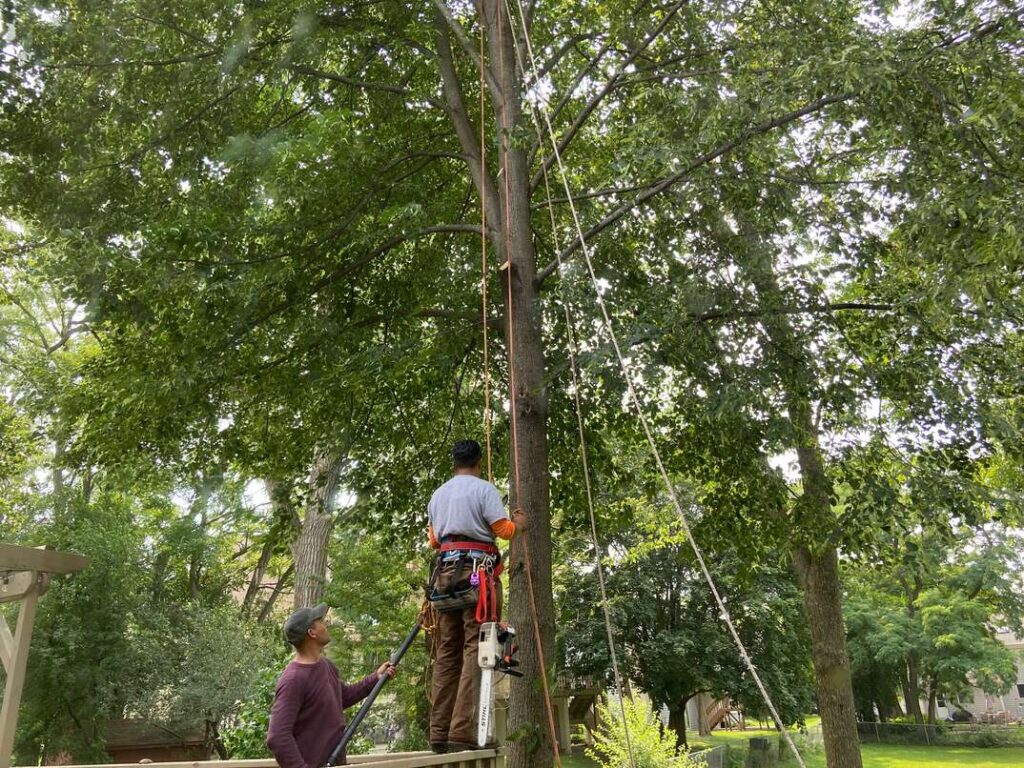
Yearly Inspection Schedules: Our goal is to identify future problems before becoming cost-prohibitive or hazardous by scheduling annual inspections of your tree(s) to evaluate the structural integrity of your trees and determine how well they will perform under Hudson County’s ever-changing environmental conditions.
Customized Trimming Plans: Our professional arborists create a custom pruning schedule based on the biological cycles of each species within your landscape. We schedule our pruning at the most advantageous times to promote rapid recovery of the pruned area, reduce sap loss, and optimize your trees to grow as quickly and efficiently as possible throughout the year.
Ongoing Growth Monitoring: Our staff continually monitors the growth of your trees to maintain control of the trees’ dimensions and shape so they do not become too large and obstruct your urban building(s) or utility lines. This type of ongoing monitoring also gives you the ability to make small changes to the canopy to prevent overgrowth, which can be hazardous to your trees and surrounding structures.
Comprehensive Health Assessments: Regular comprehensive health evaluations enable us to detect early signs of nutrient deficiency, pest infestation, or fungal disease (all very common in densely populated urban areas). Once identified, these deficiencies can be corrected with targeted soil treatments or other specialized care programs to ensure your trees continue to be healthy, vibrant, and a valuable component of your property for years to come.